.

.
Mostrando entradas con la etiqueta Worksheets. Mostrar todas las entradas

15 de enero de 2016

Articles: a / an

There are only three articles in English: a, an and the.


There are two types of articles indefinite 'a' and 'an' or definite 'the'. 

16 de junio de 2015

Let's go to the beach!!

These beach activities are so much fun, you may never have time to get a lie around the beach again!
Follow the links below to learn about fun beach activities:
Primary School. Activity Village

15 de junio de 2015

Summertime

A fun, energetic song about summer for children and schools around the world. Enjoy it!

Primary School. ELF Learning

13 de abril de 2015

Springtime

Spring is a great time. We celebrate the arrival of Spring with some of our fun spring activities for kids: puzzles, crafts, printables, colouring pages, games, etc..

"El abejorro, está comprobado aerodinámicamente que no puede volar por su peso, tamaño, y cuerpo, sólo que ÉL NO LO SABE".
Primary School. Activity Village. Foto: Agustí Mariné Serret

6 de abril de 2015

Spring

Spring is the season between winter and summer when plants begin to grow.
 There's a feeling of spring in the air today.
He was born in the spring of 2002.
There are many flowers in spring. 
Spring is wonderful!!
http://www.activityvillage.co.uk/spring-crafts 
Click to Spring Crafts

8 de enero de 2015

Winter

Winter is the coldest season of the year, between autumn and spring. 
The days are shorter in wintertime.  
 In many regions, winter is associated with snow and freezing temperatures.
Click here to go colouring pages
http://www.angles365.com/classroom/songsci04/fitxers/song75.swf
Click on the picture to sing a winter song

18 de noviembre de 2014

My family tree

A family tree is a diagram that shows the relationship between members of a family over a long period of time. 
How far back can you trace your family tree?
Imagina que eres Damon y haz tu propio árbol genealógico.
Escribe el nombre de cada persona y su parentesco contigo (in English).
Puedes utilizar fotografías reales, de revistas o dibujarlos.
Pregunta a tus padres y abuelos, ellos podrán ayudarte
Here you can learn vocabulary about family.
Click on the picture and play
Primary School

12 de noviembre de 2014

Places in a city

Where are they?
En esta página encontrarás muchas actividades para aprender los lugares que encontramos en una ciudad y describirlos.
3rd Cycle of Primary School

6 de noviembre de 2014

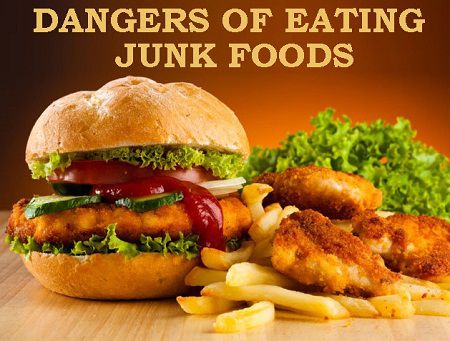
Do you like Junk Foods?

I like healthy foods, do you?
Here, you find vocabulary about food and activities.
Click on the picture and learn it
6th of Primary School

21 de octubre de 2014

My family

In this page you will find vocabulary about family. You can write, you can also listen and do activities
http://www.elabueloeduca.com/aprender/ingles/familia/familia.html
1st Primary School. Elabueloeduca.com

13 de octubre de 2014

All about Autunm

 In this website you will find lots of information about Autumn and entertaining activities too
 En esta página encontrarás mucha información sobre el otoño y también entretenidas actividades
Click on the picture
http://www.topmarks.co.uk/autumn/what-is-autumn
Primary School. Top Marks

10 de octubre de 2014

9 de octubre de 2014

Parts of the house

A house is a building for people to live in, usually for one family.
What time do you leave the house in the morning?
Now, we are going into my house.
Click on the picture
4th Primary School

19 de mayo de 2014

Going to + infinitivo

Read and do the exercises
La forma GOING TO seguida de infinitivo se utiliza:

1) Para expresar la intención de realizar en el futuro alguna acción que ya está decidida.
What are you going to do at the weekend?
¿Qué harás durante el fin de semana?I'm going to visit a friend near Bogota.Visitaré (Tengo intenciones de visitar) a un amigo cerca de Bogotá.2) Para predecir acontecimientos futuros basándose en una evidencia presente. (Estos acontecimientos suelen estar situados en un futuro próximo.)
Look at those clouds. It's going to rain.
Mira esas nubes. Lloverá. (Va a llover.)
Este último uso no debe confundirse con el del tiempo Present Continuous el cual indica una acción que está realizando en el momento en que se la menciona. 

Compara ahora estas dos frases:
Going to + infinitivo: I'm going to answer it. (Lo responderé; Voy a responderlo.)
Present continuous: I'm answering it. (Lo estoy respondiendo).
FORMACION DE LA ESTRUCTURA "GOING TO + INFINITIVO".
Esta estructura se construye con las formas del tiempo Present Continuous del verbo go (I'm going, She's going, etc.) más el infinitivo del verbo principalprecedido de la partícula to (to visit, to answer, etc.). 

Practica un poco leyendo en voz alta estos ejemplos:
I'm going to visit some friends this afternoon.
He's going to watch TV tomorrow.
She's going to leave in ten minutes.
We're going to play tennis at six o'clock.
You're going to paint the kitchen on Friday.
They're going to go to the movies next week.
5th Primary School

6 de mayo de 2014

Superlative Adjectives

Adjectives that express the highest degree of something, for example best, biggest, slowest and most difficult.
An Superlative Adjective is used to compare three or more things 
Click to do these worksheets
http://www.english-area.com/paginas/superlativosE1.pdf
6th Primary School

7 de abril de 2014

Holy week

What's happening for Easter weekend in the United Kingdom?
Family fun, Easter Egg rolls, Easter Egg Hunts and other Easter family events in the UK
Easter Egg Games
Eggs play an important part in Easter sports. The Romans celebrated the Easter season by running races on an oval track and giving eggs as prizes. 

 
 1st Cycle Primary School. abc teach.
Egg Hunts
On Easter morning children search for the eggs that the Easter Bunny has hidden while they were asleep. Eggs are hidden throughout the house or garden and sometimes there will be a special prize for the child finding the most eggs.

 http://www.dltk-holidays.com/easter/worksheets.htm
2nd Cycle Primary School. DLTK-Holidays.com.

Egg Rolling
Eggs are rolled downhill as a symbol of the stone being rolled away from the tomb where Jesus was laid. The rules of an Easter Egg Roll are to see who can roll an egg the greatest distance or can roll their egg without breaking it, usually down a grassy hillside or slope.
One of the most famous egg rolling traditions is held on the south lawn of the White House on Easter Monday. This dates back to 1878 when President Rutherford B Hayes allowed children to have access to the lawns. They brought their own baskets and eggs and enjoyed simple games, including the rolling of a hard-boiled decorated egg across the lawn. The President, First Lady and other celebrities traditionally greet the children, who receive collectible wooden eggs at the end of the day.


Illustration by Rania Hassan
3rd Cycle Primary School. DLTK-Holidays.com

7 de marzo de 2014

International Women's Day in my school

Cut out the cards below and match up the famous women’s name with her description
http://www.bbc.co.uk/schools/events/worksheets/pdf/iwd_cardmatching.pdf

Now we design a card to be used to celebrate Women’s Day and explain your reasons for the drawing.
Suggestions for the title:
‘Happy Women’s Day’, ‘International Women’s Day’ ‘Happy IWD’
Flowers to honour women.
A famous woman to show what women can achieve.
Jobs that women do – could include mother, doctor, news presenter...

How is International Women's Day celebrated now?
Many countries now view the day as a celebration of women’s achievements in history, science and politics. In Italy it is the custom to give women yellow mimosa flowers. In some countries like China it is a bank holiday and the United States has designated March as Women’s history month.

6 de marzo de 2014

Wild animals

Hello children, let's learn about wild animals.
Click and play games
http://concurso.cnice.mec.es/cnice2005/132_English_for_Little_children/presentacion/presentacion.html
1st Primary School. English for little children
http://www.englishexercises.org/makeagame/viewgame.asp?id=1120
5th Primary School.  English Exercises